We often get asked by sellers if they are required to disclose material defects within their property. This blog post written by Mark C. Mann of Berlin Patten Ebling explains this well.
The “AS IS” Contract Doesn’t Mean “Don’t Ask, Don’t Tell”
One of the biggest misconceptions in Florida real estate: that using the FAR/BAR “AS IS” contract means you’re off the hook for disclosures. Spoiler alert: You’re not. Even the FAR/BAR “AS IS” Contract requires a seller to disclose any defects that:
- (1) are not readily apparent;
- (2) that the Seller and/or the agent know about; and
- (3) would affect their decision to buy or the price they’d pay.
What Florida Law Actually Requires
The “AS IS” contract means the buyer accepts the property in its current condition, and the Seller doesn’t have to make repairs. That’s it. It does NOT mean you can hide problems you know about. Think of it this way: “AS IS” is like “I’m selling you this car with its dents and scratches,” not “I’m not telling you the brakes don’t work.”
Common Disclosure Issues Realtors See
What are some of the typical issues that come up for “failure to disclose?”
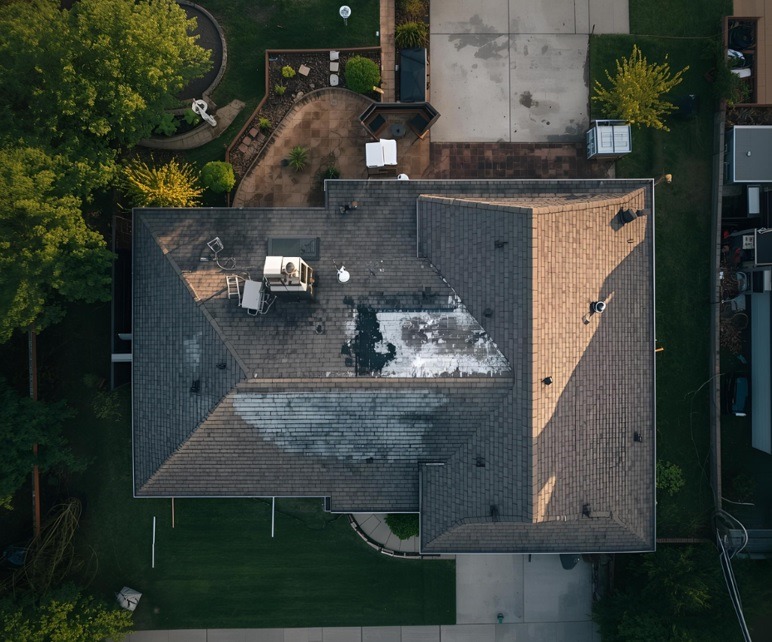
- Roof leaks or structural issues;
- Foundation problems or sinkholes;
- Mold or water damage;
- Faulty HVAC, plumbing, or electrical systems;
- Unpermitted work or additions;
- Past insurance claims; and
- HOA disputes or pending assessments.
How Realtors Can Protect Themselves
This is by no means an exhaustive list, but simply a few common examples of issues with a home purchase that need to be disclosed to any potential buyer. When in doubt, apply the “golden rule:” Do unto others as they would do unto you. In other words, if you want to know about it as a buyer, disclose it.
This obligation applies to both the Seller and the Seller’s agent. Agents have their own duty to disclose known defects, even if the Seller doesn’t want to. An agent can’t just take the Seller’s word for it when red flags are waving. Courts have held agents liable for failing to ask obvious questions and for not performing basic industry-standard due diligence.
Proactive Steps for Agents
What can be done to reduce this potential liability for an agent?
- Ask direct questions about the property’s condition, repairs, and problems;
- Document everything in writing, even texts and emails count;
- Always review the Seller’s Disclosure Statement with the Seller before you send it to the buyer or their agent;
- Disclose what you observe during showings (water stains, cracks, odd odors, etc.);
- Never coach sellers to hide information;
- Recommend inspections and make sure they understand what AS IS means; and
- Encourage sellers to repair or remediate issues you are able to identify.
The Bottom Line: “AS IS” Doesn’t Mean “Ignore the Truth”
The “AS IS” contract protects sellers from having to make repairs; it doesn’t protect anyone from fraud claims. Disclose material defects, document your diligence, and sleep well knowing you’ve done the right thing. Bottom line: “AS IS” means condition acceptance, not disclosure dodge. Of course, these are just a few important questions to ask and what steps to take to make sure that you get through closing and beyond without any issues.
Should this type of issue arise, or if you have any questions about what to do if a party fails to disclose a property defect, always contact a qualified real estate attorney for a consultation.
Original Article